
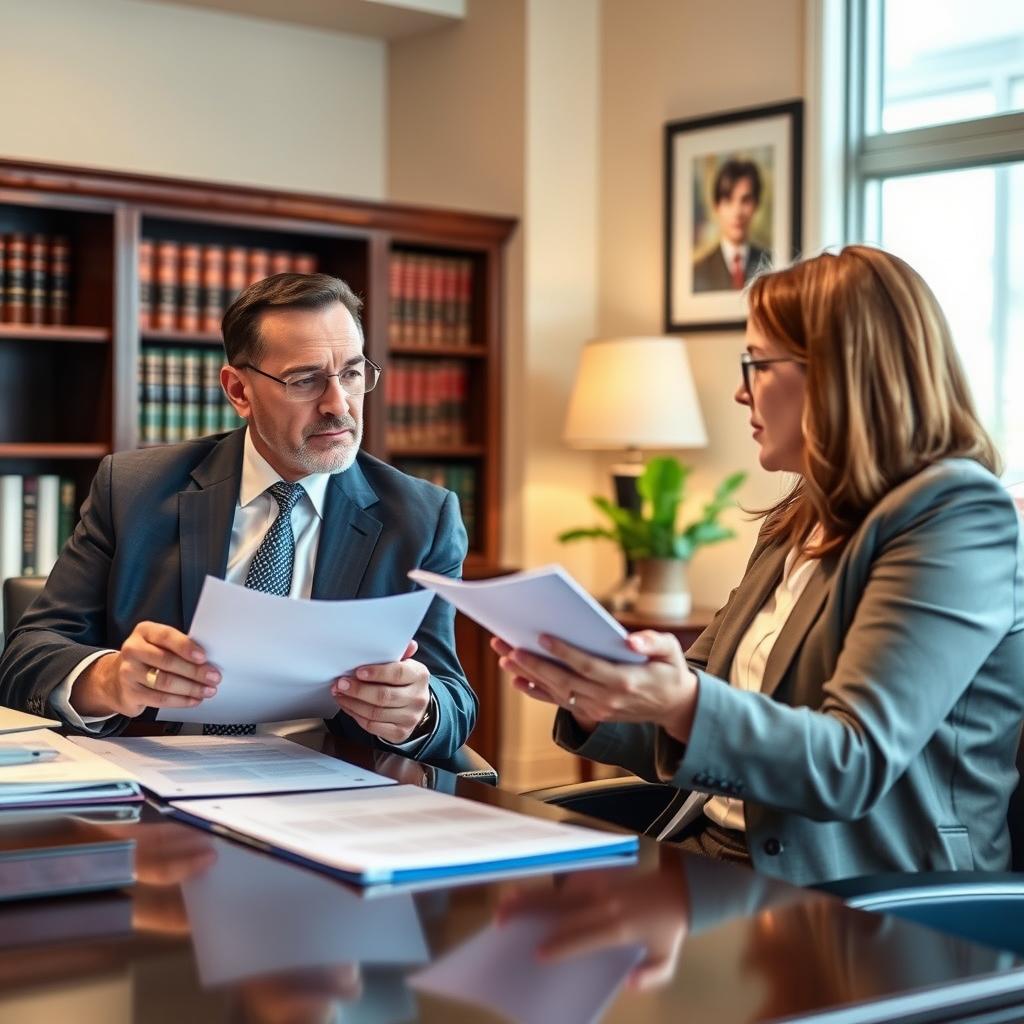
Rideshare Accident Lawyer Oneida County, NY
Rideshare services like Uber and Lyft are common throughout Oneida County, from the city streets of Utica and Rome to the highways linking New Hartford, Whitestown, and the surrounding Mohawk Valley. When a rideshare trip ends in a collision, injury victims face a complex mix of insurance coverage, liability questions, and New York’s own personal-injury rules. At Law Offices Of SRIS, P.C., Mr. Sris and the firm’s Of Counsel attorneys represent people injured in rideshare accidents—helping them pursue compensation for medical bills, lost income, and pain and suffering. The firm’s New York location serves clients across Oneida County, handling cases filed in the Oneida County Supreme Court. Whether you were a passenger, another driver, or a pedestrian hit by a rideshare vehicle, you can reach Law Offices Of SRIS, P.C. at (888) 437-7747 to request a consultation. Law Offices Of SRIS, P.C. – Advocacy Without Borders.
Personal-injury claims in New York, including those arising from rideshare accidents, must generally be filed within three years from the date of the injury.
Source: N.Y. C.P.L.R. § 214(5). New York CPLR § 214
Reviewed by Mr. Sris, admitted in New York.
What Rideshare Accident Claims Mean in Oneida County
Personal injury claims involving rideshare vehicles differ from ordinary car-accident cases because multiple insurance policies and potentially responsible parties come into play. Uber and Lyft maintain commercial insurance policies that apply when a driver is logged into the app, but the available coverage amount depends on the driver’s status at the time of the crash. Injuries sustained by passengers, other motorists, or pedestrians may be covered under one or more of these policies. New York’s pure comparative fault rule under Article 14‑A of the CPLR means an injured person can recover damages even if partly at fault for the accident—though the recovery is reduced by the percentage of fault assigned. Additionally, for motor‑vehicle‑based injuries, New York’s no‑fault insurance law requires a claim to be made first against the applicable no‑fault coverage, and a lawsuit for pain and suffering can proceed only if the injury meets the “serious injury” threshold defined in Insurance Law § 5102.
Rideshare accident claims in Oneida County are litigated in the New York Supreme Court, Oneida County, located at 200 Elizabeth Street in Utica. The Supreme Court has unlimited jurisdiction over personal-injury matters and is where most injury claims of any significance are decided. The firm’s New York location represents clients in court proceedings there and throughout the Mohawk Valley, including Rome, New Hartford, Sherrill, Oriskany, Clinton, and other communities. Local geography and road conditions—including major arteries like I‑90 (NYS Thruway), Route 5, Route 12, and Route 69—can shape the circumstances of an accident and the evidence needed to prove fault.
The filing fee for commencing a personal-injury action in New York Supreme Court includes an index number fee.
Source: Oneida County court information; NY CPLR filing‑fee schedule. Oneida County Supreme Court
Reviewed by Mr. Sris.
How Mr. Sris and the Firm’s Of Counsel Attorneys Handle Rideshare Accident Cases
Rideshare accident injury claims require early, coordinated action. The firm’s approach begins with a thorough investigation: obtaining police reports, securing surveillance or dash‑cam video from nearby businesses, documenting the condition of vehicles and roadways, and identifying all potentially liable parties and insurance policies. Because New York applies a no‑fault scheme for motor‑vehicle injuries, a no‑fault claim must be filed promptly after the accident. The firm helps clients meet those deadlines while preserving the right to pursue a third‑party claim against the at‑fault driver, the rideshare company’s commercial insurer, or another responsible party.
If a satisfactory settlement cannot be reached, litigation proceeds in Oneida County Supreme Court. The firm files a summons and complaint, engages in discovery, and prepares the case for trial. Working with medical experts, accident reconstruction professionals when needed, and the firm’s Of Counsel attorneys, Mr. Sris builds a record that documents the full scope of the client’s injuries and financial losses. Throughout the process, the firm maintains regular communication so clients understand the timeline and the decisions being made on their behalf.
About Mr. Sris and the Firm’s Of Counsel Attorneys
Mr. Sris, Owner and Founder of Law Offices Of SRIS, P.C., has been practicing law since 1997. A former prosecutor, he brings insight into how opposing parties and insurers evaluate claims. He is admitted to practice in New York and four other jurisdictions, and he has extensive experience in personal-injury litigation. Mr. Sris testified before the Virginia House Courts of Justice Committee in support of 2019 HB 635 (chief patron Del. David Bulova).
Mr. Sris and the firm’s Of Counsel attorneys bring extensive combined legal experience to rideshare accident injury claims. The Of Counsel attorneys are independent practitioners who contract directly with the firm, allowing Law Offices Of SRIS, P.C. to dedicate focused resources to each matter. Results may vary. For a consultation about a rideshare accident injury in Oneida County, reach the firm at (888) 437-7747.
Frequently Asked Questions
What should I do after a rideshare accident in Oneida County?
Seek medical attention immediately even if you feel fine, document the scene with photos, and do not discuss fault with the rideshare driver or post about the accident on social media. Contact the police to file an accident report, obtain the officer’s information and report number, and collect the rideshare driver’s name, license plate, and insurance information from the app if possible. Keep records of all medical treatment and expenses. Then, speak with an attorney before giving a recorded statement to any insurance company. For specific guidance, reach Law Offices Of SRIS, P.C. at (888) 437-7747.
How long do I have to file a personal injury lawsuit after a rideshare accident in New York?
You generally have three years from the date of the accident to file a personal-injury lawsuit in New York under CPLR § 214(5). Cases against government entities may have a shorter notice‑of‑claim deadline, so prompt legal review is important. Failing to file within the three‑year period will likely bar the claim. Evidence such as witness memories, surveillance footage, and electronic data from rideshare apps also degrade over time, making early action beneficial.
How does rideshare insurance work after an accident?
Uber and Lyft carry commercial auto insurance that applies when a driver is logged into the app, with coverage amounts that vary depending on whether a passenger was in the vehicle, a ride was accepted, or the driver was waiting for a request. In some scenarios, the driver’s personal auto policy, the rideshare company’s coverage, and even the other driver’s insurance may all be implicated. Uninsured and underinsured motorist coverage may also factor in. An attorney can determine which policies apply and pursue the appropriate claims.
Do I need a lawyer for a rideshare accident injury claim?
You are not legally required to hire a lawyer, but rideshare accident claims involve complex insurance coverage, multiple potentially liable parties, and New York’s comparative‑fault and serious‑injury threshold rules. An experienced attorney can investigate the accident, identify all available insurance, handle communications with insurers, and build the evidence needed to support a claim for damages. Representing yourself runs a significant risk of accepting less than the full value of the claim. For a consultation, reach Mr. Sris and the firm’s Of Counsel attorneys at (888) 437-7747.
What damages can I recover in a rideshare injury case?
Compensatory damages in a New York personal‑injury claim may include past and future medical expenses, lost wages, loss of earning capacity, and pain and suffering. In limited circumstances, emotional distress or loss‑of‑consortium damages may also be available. New York does not cap economic or non‑economic compensatory damages in most personal‑injury cases. The specific amount depends on the severity of the injury, the impact on your life, and the degree of fault of each party.
How does New York’s pure comparative fault rule affect my claim?
Under New York’s pure comparative fault rule, your recovery is reduced by the percentage of fault assigned to you, but it is not eliminated unless you are 100% at fault. For example, if a jury finds you 20% responsible for the accident, your total award would be reduced by 20%. This rule applies to rideshare accident claims just as it does to other personal‑injury cases. An attorney can help gather evidence to minimize any finding of fault on your part and maximize your recovery.
Explore personal injury representation in neighboring counties:
Manhattan Personal Injury Lawyer
Brooklyn Personal Injury Lawyer
Queens Personal Injury Lawyer
Staten Island Personal Injury Lawyer
Nassau County Personal Injury Lawyer
Primary sources:
N.Y. C.P.L.R. § 214 (statute of limitations) |
N.Y. Ins. Law § 5102 (serious injury threshold) |
Oneida County Supreme Court
Attorney advertising. Prior results do not guarantee a similar outcome. Case results depend on a variety of factors unique to each case. Results may vary.